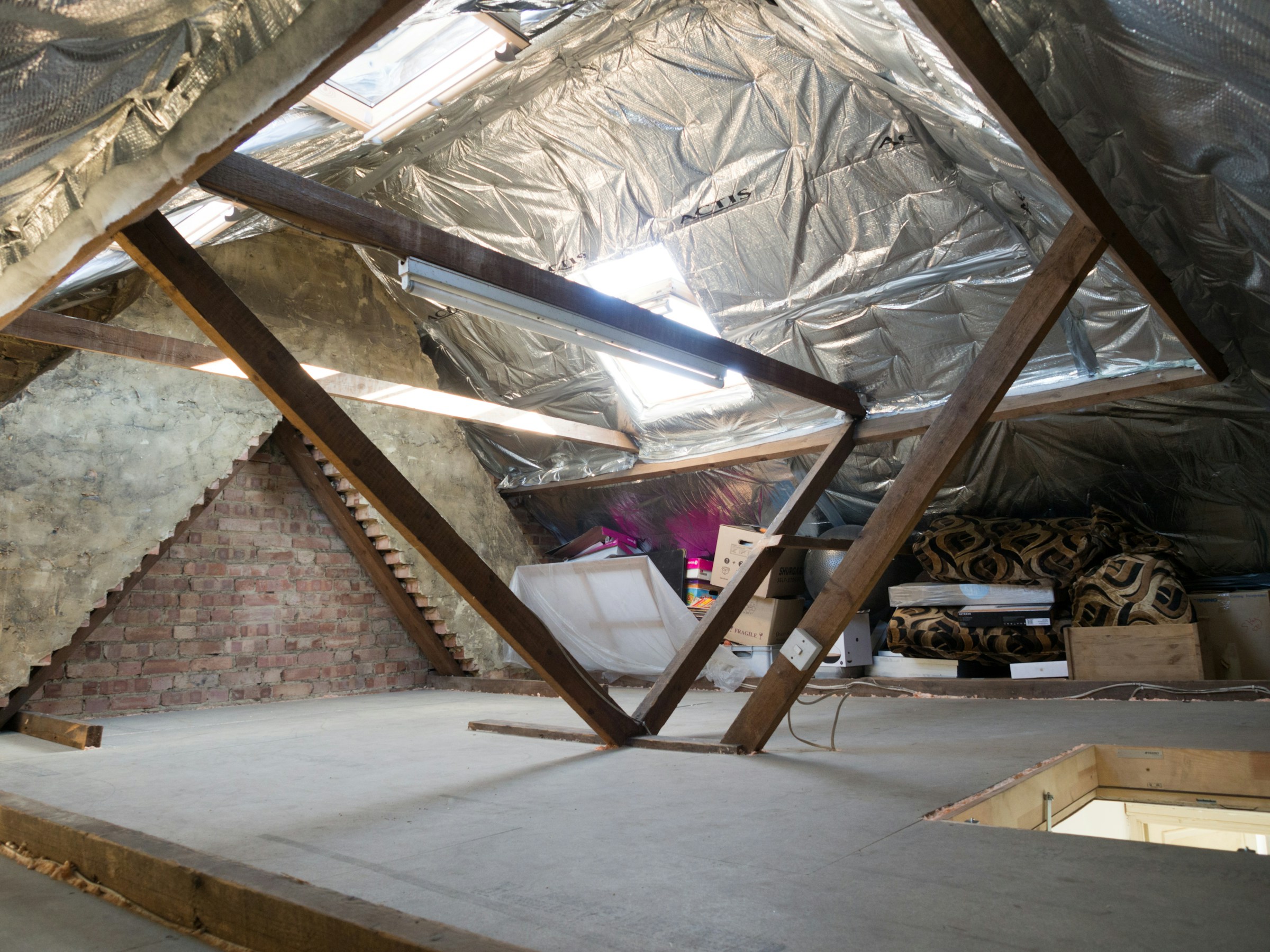
Prepare for an insulation assessment by writing down comfort concerns, gathering any existing inspection or insulation records, and confirming which areas the team needs to access. You do not need to identify the insulation or enter difficult spaces yourself. The goal is to help the assessor understand your home.
Describe the problem room by room
Start with observations you can make from normal living areas. Which rooms feel warmer or colder? Does the concern appear in the afternoon, overnight, or throughout the day? Is it near an exterior wall, above a garage, or on an upper floor? A short list of concrete observations is more useful than deciding in advance which material you want installed.
For a Houston home, note whether the concern is strongest during hot weather and whether humidity or a musty odor is also part of the complaint. Insulation is one part of the building, so mention related issues without assuming they share a single cause. ENERGY STAR’s seal and insulate guidance treats comfort improvements as a set of possible projects.
Keep your notes simple: room, time, what you notice, and anything that recently changed. If a room became uncomfortable after a renovation or roof repair, include that timing. There is no need to collect precise measurements or use special tools before starting the conversation.
Gather useful records, without making homework
If you have them, set aside a previous home inspection, insulation invoice, renovation notes, or photos taken during earlier work. These may help explain what is behind a finished wall or when the attic was last treated. Missing records are normal; tell the team what you know and what remains uncertain.
Utility bills can provide background if energy use is a concern, but they do not prove an insulation problem by themselves. Changes in weather, occupancy, thermostat habits, or equipment can change bills. Ask whether the team would find a particular record useful before spending time collecting it.
Also share known roof leaks, plumbing leaks, pest issues, or electrical work. A past problem that has been repaired can still be relevant to the condition of insulation. Give the approximate location and what was done, rather than trying to inspect a concealed space yourself.
Confirm access before the visit
Ask which rooms, hatches, closets, garage areas, or exterior access points the team expects to use. Confirm whether you should move lightweight belongings from the approach. Let the team know about a fragile ladder, narrow opening, low clearance, locked gate, or equipment near the entry.
Keep children and pets away from the work route during the assessment. Discuss any accessibility needs or household scheduling constraints when arranging the appointment. If you cannot safely clear a route, explain the issue beforehand and ask how the visit should be handled.
Do not climb into an unfamiliar attic, disturb old material, or remove panels to prepare. If material is suspected to be vermiculite, EPA recommends leaving it undisturbed because it may contain asbestos; see EPA’s vermiculite guidance. Tell the assessor about the concern before work is planned.
What should you ask during the assessment?
- Which areas were accessible, and which could not be assessed?
- What existing conditions support the recommendation?
- Is the proposed work installation, repair, supplementation, or replacement?
- Does another issue need attention first?
- What information will be included in the written estimate?
Ask the team to distinguish what was observed from what is still uncertain. A limited-access assessment may leave questions that require further investigation. You should understand those limits before treating a preliminary recommendation as a complete scope.
An insulation assessment is not automatically a comprehensive energy audit. Ask what the appointment includes and whether testing or another specialist would be needed to answer a broader concern. Do not assume every visit includes equipment testing, moisture testing, or an inspection of every cavity.
Leave with a clear next step
At the end of the visit, repeat your priorities and ask what happens next. Will the team send an estimate, request more information, or recommend another repair first? Keep assessment preparation separate from comparing a written attic quote; each stage answers a different question.
Common mistakes include entering unsafe spaces for photos, hiding a known leak because it was repaired, and expecting an immediate final price before the scope is understood. You can help most by being clear about the house, access, and your goals.
Explore FV Insulation’s insulation services and our guide to existing insulation. When ready, request an assessment conversation. The team follows up to discuss your needs and agree on a time.
Common questions
Do I need to know which insulation I have?
No. Share any records or prior knowledge you have, but do not disturb material to identify it. The team can explain what can be assessed safely.
Should I empty my attic before an assessment?
Ask first. Clearing the approach may help, but the team should explain which areas need access. Do not move heavy stored items or enter unsafe spaces yourself.
Is an insulation assessment the same as an energy audit?
Not necessarily. Confirm the scope of the visit and whether testing is included. A broader energy audit may involve services beyond an insulation assessment.
Does requesting a consultation book a time?
No. FV Insulation follows up to discuss your needs and agree on an appointment time.
Sources
Technical background for this guide. Product instructions and the conditions of your home determine the appropriate installation.