There is no single best insulation material for every Houston home. Fiberglass and cellulose can suit different cavity or attic applications; spray foam requires a product-specific assembly plan; radiant barriers address radiant heat rather than replacing conventional insulation. Choose by location, existing conditions, and installation scope.
Start with where the insulation will go
Before comparing products, identify the space: an accessible attic floor, open wall cavities, finished exterior walls, or a floor above an unconditioned area. Those locations present different access and construction questions. A recommendation for an open wall during remodeling may not be practical for the same wall after drywall and cabinetry are installed.
Ask whether the goal is to improve the existing insulated boundary or change where that boundary sits. A proposal that keeps insulation at the attic floor differs from one that creates a roofline assembly. Ask the contractor to describe the entire plan, including any related ventilation or moisture considerations, before selecting a material.
Houston homeowners should also discuss humidity and any history of leaks. Choosing a product does not resolve an active water problem. Give the team known roof, plumbing, or condensation history so the proposal addresses the actual space rather than an idealized version of it.
What should you know about fiberglass and cellulose?
Fiberglass is available in products such as batts and loose fill; cellulose is commonly used as loose-fill or blown insulation. Their suitability depends on the product and application. Batts are associated with accessible cavities, while blown products can be considered for suitable attic areas and some existing cavities. See ENERGY STAR’s insulation type guide for an overview.
Ask how the installer will handle obstructions, edges, and transitions. A neat-looking central area does not tell you what happens around wiring, framing, access openings, or narrow sections. The proposal should identify the intended coverage and how the material will be installed in the available space.
For blown insulation, ask how the product’s installed coverage and thickness will be documented. For batts, ask how the specified product fits the actual cavities. Avoid comparing a batt thickness with a loose-fill depth as though equal inches always mean equal performance. Use the selected product’s documentation and the intended R-value.
What makes spray foam a different decision?
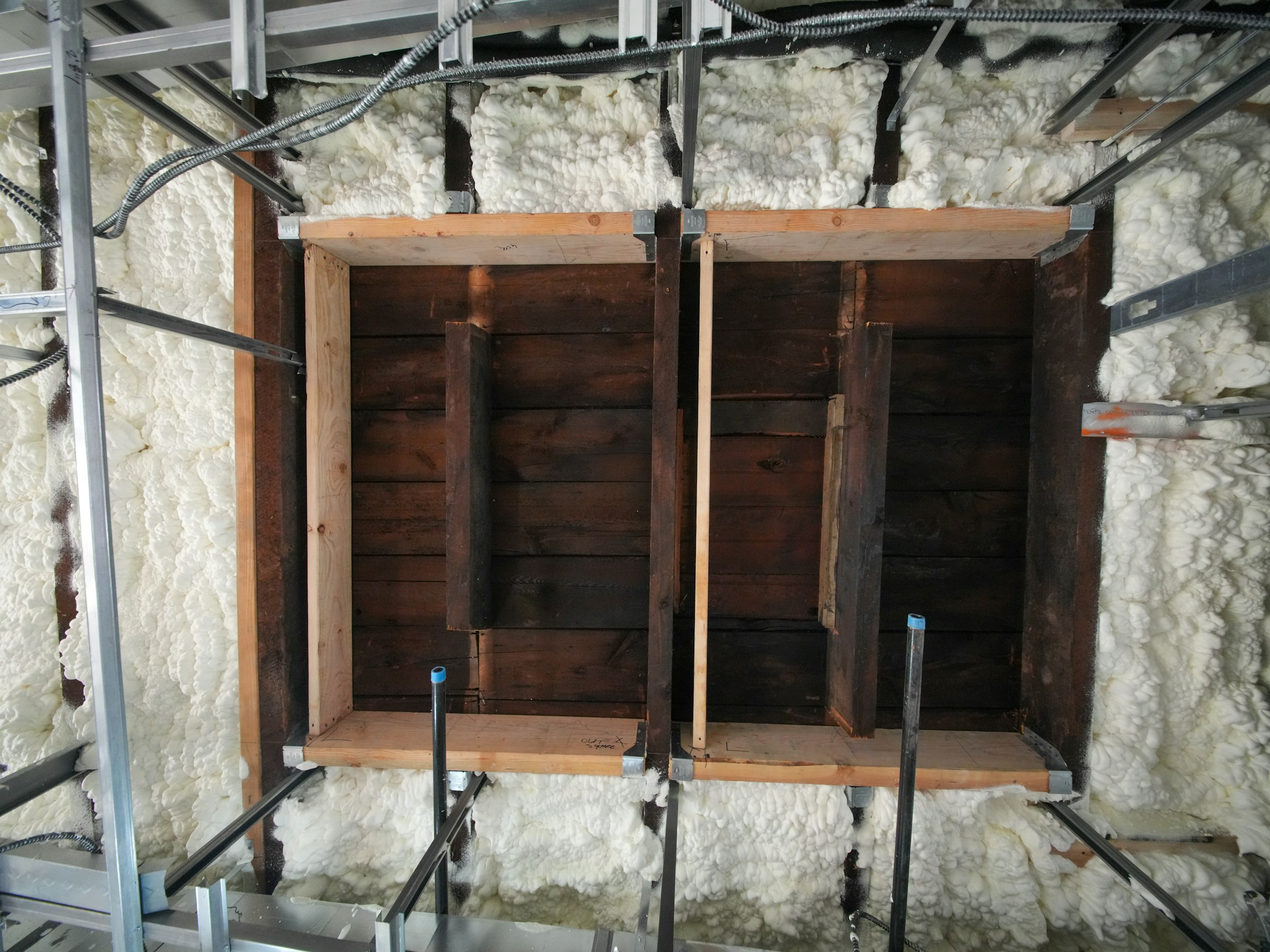
Spray foam is installed in place, and product type matters. Open-cell and closed-cell foams are different products with different properties. The Department of Energy’s insulation overview identifies sprayed foam as a distinct insulation approach. Ask for the exact product and the proposed assembly instead of accepting “foam” as a complete specification.
Questions should include where the foam will be applied, how surfaces will be prepared, what thickness is planned, and what manufacturer instructions apply. Also ask about occupancy arrangements during installation, return-to-space instructions, and any required coverings. Have the contractor provide product-specific answers rather than using a universal waiting period from an unrelated project.
If a proposal changes an attic from vented to unvented, request an explanation of how the full assembly will work. Existing equipment, ventilation, and moisture management need to be considered together. Do not assume that spraying material under the roof is merely another way to top up attic-floor insulation.
Where does a radiant barrier fit?
Radiant barriers reduce radiant heat transfer and rely on a reflective surface facing an air space. They serve a different purpose from materials rated for resistance to conductive heat flow. A foil-faced photograph or a shiny product name does not establish that a particular installation will perform as intended. The Building America radiant barrier guide explains this distinction.
Ask where the barrier would go, which surface would face the air space, and how it relates to your existing attic insulation. Our radiant barrier guide goes deeper into evaluating a proposal. A radiant barrier recommendation should not leave unanswered questions about missing or damaged attic-floor insulation.
Compare options without declaring a universal winner
| Option | Useful discussion | Confirm before choosing |
|---|---|---|
| Fiberglass | Batts or loose fill for the proposed location. | Fit, coverage, product, and installed R-value. |
| Cellulose | Blown installation in a suitable space. | Product, installation method, and final coverage. |
| Spray foam | A product-specific cavity or roofline assembly. | Foam type, thickness, preparation, and occupancy instructions. |
| Radiant barrier | Reflective heat control within an appropriate assembly. | Product, location, air space, and existing insulation. |
Use this table to organize your conversation, not to diagnose the house. You may receive a recommendation that combines different approaches in different spaces. Ask why each item is included and whether any part of the project depends on other work being completed first.
Balance budget, access, and the work you actually need
Tell the contractor whether you are planning a small comfort improvement, a renovation, or a broader insulation upgrade. Share your budget and explain which rooms matter most. Ask for a clear base scope and separately described alternatives so you can see what changes when the material or treatment area changes.
Avoid picking solely by material popularity, advertised savings, or the highest R-value per inch. Installation quality, coverage, and the suitability of the assembly are part of the decision. An expensive product applied in the wrong place is not a substitute for understanding the house.
FV Insulation can discuss options through its residential insulation services. Use our attic quote checklist to compare written recommendations, then request a consultation about your property. The team will follow up to arrange the next step.
Common questions
Which insulation is best for a Houston attic?
The appropriate choice depends on the attic layout, existing material, access, and proposed assembly. Ask for a property-specific recommendation with the product, location, and scope explained.
Is cellulose the same as fiberglass?
No. They are different materials. Both may be discussed as blown products, but compare the specific product’s installation requirements and intended performance rather than treating them as identical.
Does spray foam automatically replace other attic insulation?
No. The proposed assembly determines what happens to existing material. Ask whether the work keeps the attic-floor boundary or changes the roofline approach and why.
Can a radiant barrier replace attic-floor insulation?
It is not a like-for-like substitute. A radiant barrier addresses radiant heat transfer; ask how conventional insulation and reflective heat control fit together in your attic.
Sources
Technical background for this guide. Product instructions and the conditions of your home determine the appropriate installation.